Top 10 things to do in West Cork
View the best attractions and activites West Cork has to offer....
- Mizen Head: The Mizen Head Visitor Centre has been developed by a local tourism co-operative at Ireland’s most southwesterly point. They have a lease on the Irish Light Signal Station which was built in 1905 to protect shipping from the cliffs in fog. It is a spectacular location with its folded rocks and high cliffs. The Signal Station is on an island joined to the mainland with a fine example of an arched bridge. You can walk up the 99 Steps but there is a path for the less energetic! The Irish Lights Board to sanctioned the signal station to combat the high loss of life and shipping on the rocks. Until 1993 the Station was manned by three Keepers; in April 1993 the Station was automated. In 1992 Mizen Tourism Co-operative Society Ltd., a community rural development initiative, was formed to create a visitor attraction, 'Mizen Vision', in the former Keepers' Quarters and to take a lease on the path to the Lights at the Point from the Commissioners of Irish Lights. Every year Mizen Tourism employs local young people to act as guides to our visitors. The tour guiding jobs have proved invaluable training and experience for them as they go out into the wider world. There are 9 guides this year. The West Cork Hotel is ideally placed as one of the best equiped hotels near Mizen Head.
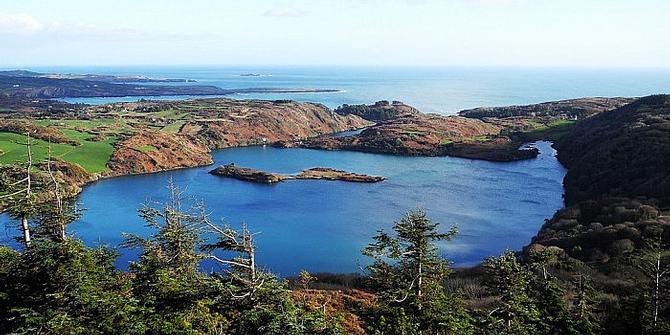 Lough Hyne-Skibbereen: This unique lake and its surrounds are home to a rich and varied range of plant and animal life, including many rare and beautiful species. Since it was ‘discovered’ by marine biologists in 1886, scientists have carried out pioneering research in experimental ecology. Their continued research into the factors governing the distributions of marine animals and plants makes Lough Hyne one of the most- studied marine sites of Europe. Lough Hyne is a semi-enclosed marine lake situated 3 miles west of Skibbereen in County Cork. It is fed from the sea by a narrow tidal channel known as 'The Rapids' and is connected to the Atlantic Ocean by a narrow inlet called Barloge Creek. It is just 0.8kms by 0.6 kms in size. It is thought that Lough Hyne was a freshwater lake up to 4000 years ago, when a rise in sea levels joined it with the sea. In 1981, Lough Hyne was designated Europe's first Marine Nature Reserve to protect the rich flora and fauna of the area. However, scientists have been studying the lough since 1886 when William Green recorded the habits of the Purple Sea-Urchin. Laboratories were set up on Lough Hyne to help scientists in their research. This research has continued ever since and Lough Hyne is now one of the most studied marine sites of Europe.
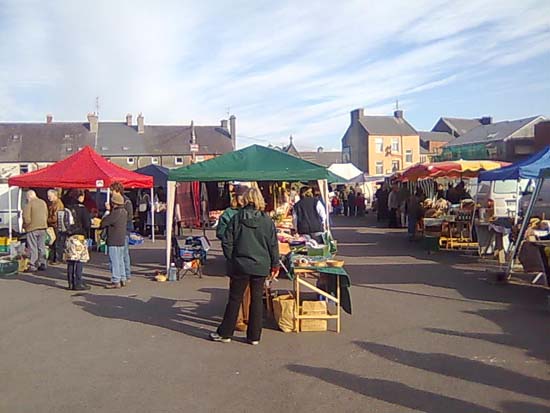 Skibbereen Farmers Market: Every Saturday, in the Fairfield car park, you can find a brilliant range of fresh local produce, including fruit & vegetables, herbs, plants, eggs & honey, preserves, bread, cakes, organic meat, cheese, fish and shellfish. In addition, the Market is the source of a diverse selection of quality local art & crafts, and provides a great hunting-ground for collectors of antiques, books and bric-a-brac. The revived market started trading in May 2001, and has taken place every Saturday since - come rain or shine. These pages show a directory of the traders at Skibbereen Farmers’ Market. Each week there are between forty and one hundred and twenty traders at the Market - and we are continually updating this directory.
- Whale Watching: To date 24 species of the world's whales and dolphins have been recorded in Irish waters. In recent years over 12 cetacean species have been seen in the clear, unpolluted West Cork waters making them one of the richest areas for whale and dolphin watching in Ireland. Irish whale watching has definitely taken off in West Cork with wide species diversity present for over half the year.
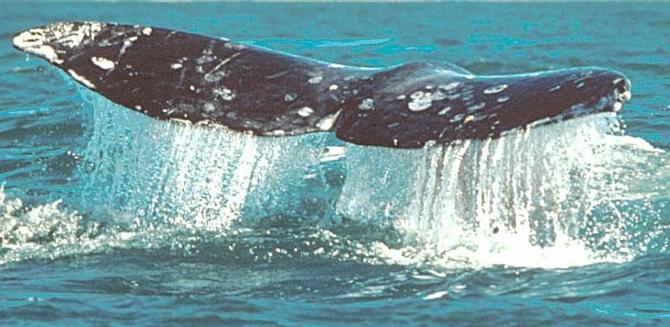 inke Whales arrive off our coast starting in March. Fin Whales traditionally arrive in the late summer/early autumn. Both species continue through to the early winter months, providing some spectacular opportunities to view these large marine mammals only a few kilometers from the coast if the sea conditions are suitable. The less predictable Humpback Whales traditionally arrive during autumn months. Other species that may be seen off West Cork are listed below. Whale Watch West Cork is acutely aware of the benefits that whale watching can bring to coastal communities when conducted according to a strict code of conduct and is committed to the sustainable development of Irish whale watching whilst maximizing the educational advantages to the public but above all, ensuring the positive impact on the conservation status of the whales and dolphins of Ireland.
 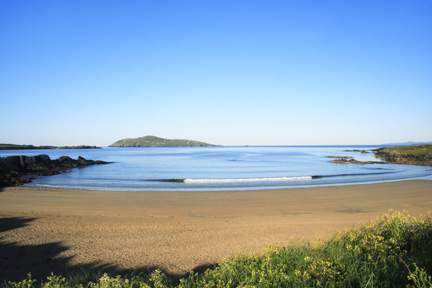 Sherkin Island: Sherkin Island has an average population of 100 people and it stretches 3 miles long by 1.5 miles wide (5 km by 3 km). The island has a primary school, two pubs with a hotel, B&B, community centre and a church. A West Cork anecdote has it that Sherkin's residents live off their art, island craft, paintings and book writing all inspired by Sherkins tranquil lifestyle. The busiest season starts with school summer holidays when people with young families visit the island. The busiest day of the year is the celebration of Sherkin Regatta. This year it is being held on Sunday the 22nd of July. Roaringwater Bay is located in the extreme south west of Ireland and derives its name from the sound of the waters, powered by Atlantic gales, crashing against the numerous rocks and islands. Due to the strong influence of the Gulf Stream the climate is moist and mild. Strong winds can be expected, especially in winter but the area experiences little or no frost. Regular sightings of cetaceans include harbour porpoises, dolphins and whales. Cape Clear, Sherkin, Heir and Long Island enjoy a vibrant community life all year round.
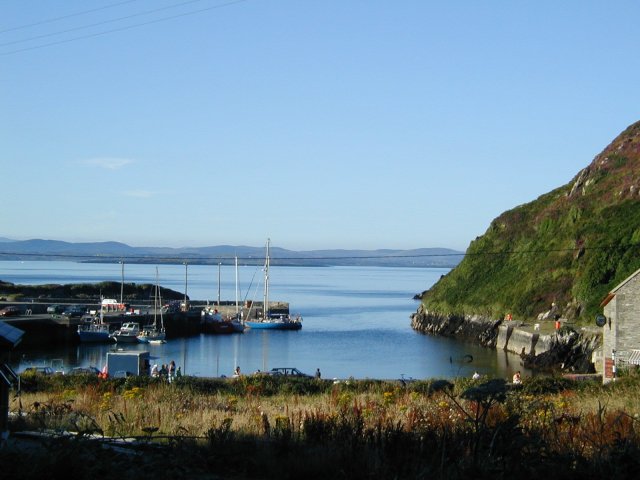 Cape Clear: Cape Clear Island is Ireland's most southerly island. It is a 45min boat trip from Baltimore or Schull in West Cork. The island is 3 miles long and 1.5 miles wide and has a population of 120 persons. It is a gaeltacht island i.e. their first language is Irish. Because of its southerly position, the climate is milder than mainland Ireland. It is also a noted paradise for bird watchers boasting Ireland's only manned observatory. Ireland's southernmost inhabited Gaeltacht island, 3 miles long by 1 mile wide, lies 8 miles off the coast of West Cork. 3 miles west of the island stands the solitary Fastnet Rock. To the northwest stretches the Mizen Head, the mainland's southerly point. Cape Clear's wild romantic scenery, its sparkling harbours, its cliffs and bogs and lake, all contribute to the island's unspoilt charm. Heather, gorse and wild flowers cover the rugged hills. Myriad stonewalls have a patchwork effect on the varied landscape. Megalithic standing stones and a 5000 year-old passage grave, a 12th century church ruin, a 14th century O'Driscoll castle, cannonaded in the early 1600's, suggest times past. Saint Ciarán, the island's patron saint, is allegedly the earliest of Ireland's four pre-Patrician saints. Cape Clear's remote island location, coupled with its proximity to the continental shelf, makes it the foremost centre for bird watching in Ireland. Whale, leatherback turtle, sun fish and shark are spotted every year, dolphins regularly.
- Skibbereen Heritage Centre:
The Heritage Centre is located in the award winning, beautifully restored Old Gasworks Building, in Skibbereen, one of West Cork’s most picturesque towns.
The Great Famine Commemoration ExhibitionThis exhibition commemorates the tragic period in the 1840s that is known in Irish History as the Great Hunger. Skibbereen, along with many areas of the west, was very badly affected losing up to a third of its population to hunger, disease and emigration.
The Lough Hyne Visitor CentreThe Lough Hyne Visitor Centre explores the unique nature of this salt- water marine lake, Ireland’s first Marine Nature Reserve.
Other features include an archaeology trail of the Skibbereen area, displays on the Old Gasworks Building and information on the species living on the River Ilen. See our Genealogy Page for details of genealogy services. Also visit our online, fully searchable databases, which include a Graveyard Survey, Loan Fund Records , Tithe Applotment Books, Estate Records and a Townlands Database.Groups and School Tours welcomed with guided talk and special rates!
- Bantry House: Bantry House & Garden is not only one of the finest historic houses in Ireland but it also commands one of the best views overlooking Bantry Bay in West Cork. It has been open to the public since 1946, the first to be so in the country and possibly also in the British Isles.
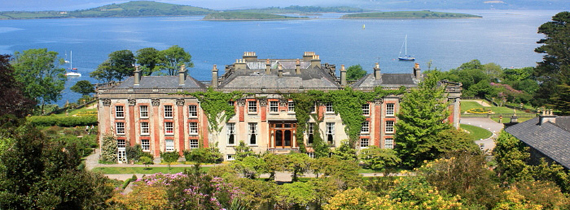 he house is still owned and lived in by Egerton Shelswell-White, who is a direct descendant of Richard White (1st Earl of Bantry), and his family. About 1820 Richard, the first Earl of Bantry, enlarged the house by adding the two drawing rooms. It was his son, then Viscount Berehaven, who travelled extensively and amassed an eclectic collection of tapestries, paintings, furniture and artefacts. Bantry House is the ancestral home of the Earls of Bantry, still lived in by their descendant Egerton & Brigitte Shelswell-White, and their family. Since 1946 the house containing its important collection of furniture, tapestries and objets d'art has been open to the public. Your visit includes a self guided tour of the house. Complimentary information sheets are available at the House reception. The family look forward to welcoming you to their home. When choosing from the selection of hotels near Bantry then look no further than our renowened hotel in West Cork.
 - Atlantic Sea Kayaking: A global sea kayaking company based in Ireland, Atlantic Sea Kayaking has been in existance since 1995. Owers Jim and Maria Kennedy are very passionate about what they do and take immense pride in it. An experienced expert, Jim Kennedy is one of only two Level 5 Instructor/coaches working in Ireland. Various kayaking trips can be enjoyed around the West Cork area, all of which are very close to our hotel in county cork.
- Liss Ard Gardens: Liss Ard is situated about 10 minutes away from Skibbereen town centre. With acres upon of acres of gardens and trails, the woodland walks with their specially designed pathways offer guests a truly contemplative experience with enchanting vistas around every corner.
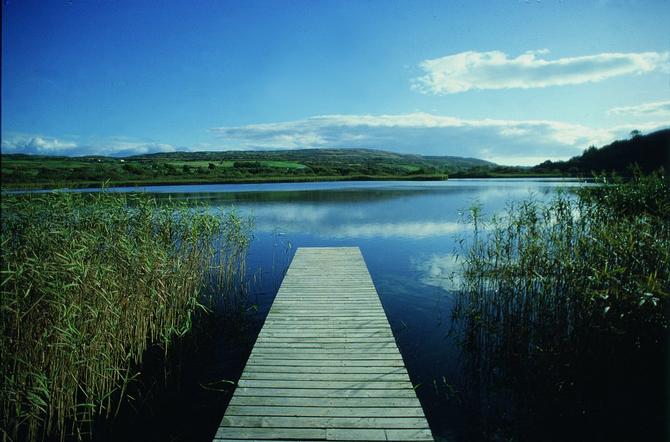 iss Ard has been planned to reveal a collection of 'garden rooms': the lakeside walk, the waterfall garden, the woodland garden, the water garden and arboretum and the wildflower meadow. The magnificent gardens and woodlands at Liss Ard add to the uniqueness of the estate. Throughout, there are specially designed pathways and walkways that accentuate the guest's appreciation of Irish flora. In addition to the main Lake Abisdealy, there are a number of ponds and a waterfall dotted around the estate, that create a feeling that can only be compared to that in the Garden of Eden. The gardens include the magnificent 'Crater' - designed by James Turrell, the extraordinary American artist who is world-renowned for his works on the theme of 'Light', and the Swiss architect Gert Burla. The Crater was created for the Irish skies to be appreciated by the spectators lying on the stone structures at the bottom - the dome-effect that is created in the elliptical frame is truly an unforgettable experience.